Home / Species library / Frontosa cichlid
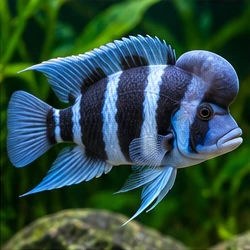
AI-generated illustration of Frontosa cichlid (Cyphotilapia frontosa)AI-generated illustration

LAKE TANGANYIKA CICHLID · SPECIES PROFILE

Frontosa cichlid

Cyphotilapia frontosa

Predatory; group and space needs

Adult size25–35 cm
Temperature24–27°C
pH range7.8–9.0
Tank guidanceVery large aquarium, 400 L+
DifficultyAdvanced
DietLarge cichlid pellets and meaty foods

CARE OVERVIEW

Keeping Frontosa cichlid

Large, slow-growing predator; needs specialist Tanganyika setup.

Tank setup and water quality

Use the temperature, pH and tank guidance above as initial research points. Provide stable, well-filtered water, appropriate swimming or hiding space, and a mature aquarium suited to the species’ adult size and behaviour. Avoid sudden changes in water conditions.

Feeding

Large cichlid pellets and meaty foods. Offer an appropriate, varied diet in portions the animal can consume without leaving excess food to decay.

AQUASCAPING GUIDE

Plant Compatibility

Plant suggestions for a Frontosa cichlid aquarium.

Anubias

Hardy, broad-leaved plant that attaches to wood or rock; useful where rooted plants may be disturbed.

Java fern

Attach to driftwood or stone rather than burying its rhizome; tolerates a range of community-tank conditions.

Bucephalandra

Slow-growing epiphyte for attaching to rock or wood; best in stable, mature aquariums.

Bolbitis fern

Attach to wood or rock in clean, well-oxygenated water; avoid burying the rhizome.

Hornwort

Fast-growing, flexible cover that can be floated or anchored; useful as a refuge for young fish.

Planting notes

Choose tough plants attached to hardscape where possible. Large, digging, grazing or curious animals may uproot or damage delicate rooted plants; test additions and secure them well.

These are general aquarium plant suggestions, not a guarantee for every setup. Check lighting, substrate, water conditions and the individual animal’s behaviour; quarantine new plants and inspect for hitchhikers before adding them.

Plant suggestions are starting points, not guarantees. Check the plant’s light, water chemistry and growth requirements against the exact species and aquarium; grazing, digging and individual behaviour can affect success.

FEEDING GUIDE

Fish Food Compatibility

Food types and feeding considerations for Frontosa cichlid.

DIET PROFILEOmnivore or carnivore (species-specific)

Suitable food choices

  • High-quality pellets formulated for the exact cichlid type
  • Frozen foods such as brine shrimp or mysis where appropriate
  • Vegetable-rich foods for species with a significant plant component

Feeding approach

Cichlid diets vary greatly. Match the staple to the species’ natural feeding ecology; large predators and herbivorous grazing cichlids should not receive the same staple.

Food and feeding cautions

Do not feed one generic high-protein diet to every cichlid. Avoid mammal meat and excessive fatty foods.

Food acceptance and nutritional needs vary with age, health, locality and individual behaviour. Use a complete food formulated for the exact species where available, vary the diet appropriately, feed modest portions and remove uneaten food. This is general guidance, not a veterinary or nutritional prescription.

AQUARIUM ANSWERS PICKS

Useful aquarium products

Explore relevant equipment and supplies. Product suggestions are tailored to this page.

amazon

As an Amazon Associate, Aquarium Answers earns from qualifying purchases. Product links open Amazon search results; check suitability, specifications and current prices before buying.